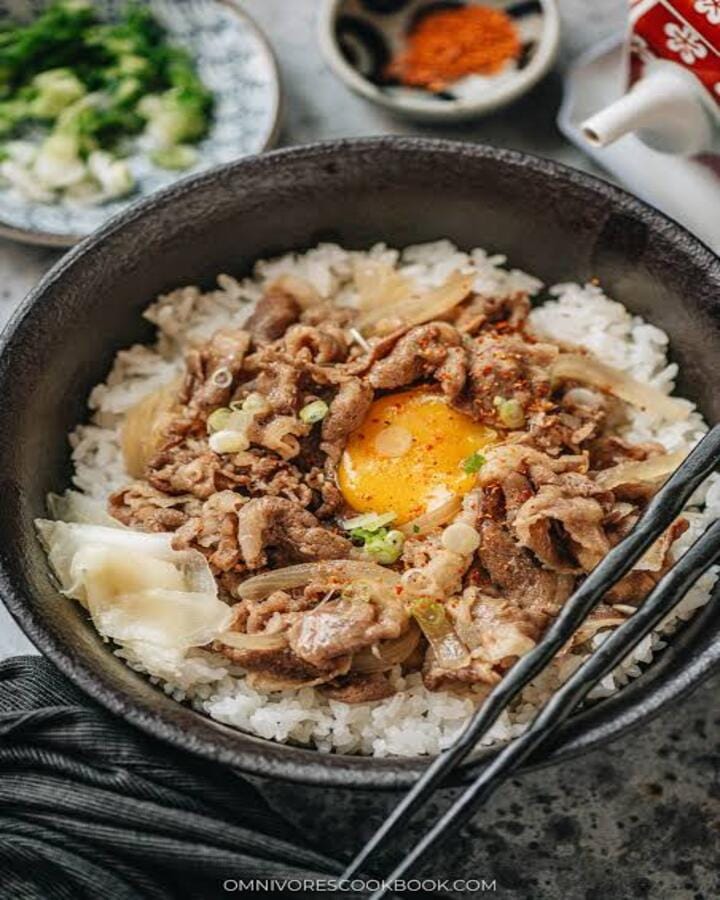

Image Credit -Hema
If you love Japanese comfort food, there is nothing more iconic than a warm and flavorful Gyudon Japanese Beef Bowl Recipe. This traditional dish is a staple in Japanese households and popular restaurants because it combines tender beef, sweet-savory sauces, and fluffy rice in the most satisfying way. Whether you are cooking for your family or trying Japanese cuisine for the first time, this recipe brings authenticity and simplicity together. With basic pantry ingredients and a few easy steps, anyone can enjoy this flavorful bowl right at home.
Gyudon Japanese Beef Bowl Recipe

Gyudon Japanese Beef Bowl Recipe is based on thin slices of beef simmered gently in a soy-based broth that balances sweetness and umami perfectly. The broth is made with soy sauce, mirin, dashi, and sugar, giving the beef a rich flavor that pairs beautifully with steamed rice. Many home cooks prefer this recipe because it delivers comfort without complexity, making it ideal for busy weekdays or quick weekend meals.
To start preparing this dish, you need thinly sliced beef—preferably ribeye or sirloin for tenderness. If you cannot find pre-sliced beef, ask your butcher to slice it thinly or freeze the meat for a few hours to make slicing easier. Onions also play a crucial role in the Gyudon Japanese Beef Bowl Recipe, as they add sweetness and aroma while absorbing the broth’s flavor.
Begin by heating a pan with a little oil and adding sliced onions. Cook them gently until they become translucent. Then add dashi stock along with soy sauce, mirin, and sugar. Allow this mixture to simmer so the flavors blend together. Once the broth starts bubbling lightly, add the beef slices. The thin beef cooks quickly—usually within a few minutes—absorbing all the delicious flavors of the broth.
Many people like to top their Gyudon with a soft-cooked egg, which adds richness and creaminess to each bite. A classic onsen tamago or a poached egg works beautifully with this recipe. You can also sprinkle chopped green onions or pickled ginger for an added touch of traditional Japanese taste. These garnishes make the Gyudon Japanese Beef Bowl Recipe visually appealing while enhancing the overall flavor.
The best part about Gyudon is its versatility. You can adjust the sweetness, saltiness, or broth quantity according to your preference. Some cooks add a little sake for depth, while others add tofu, mushrooms, or leafy greens to make the dish more nutritious. The recipe remains flexible and delicious every time.
Serving Gyudon is simple: prepare a bowl of hot steamed rice and spoon the simmered beef and onion mixture over it. Make sure to add extra sauce to soak into the rice, as this creates the signature comfort-food experience Gyudon is known for. This dish is perfect for lunch, dinner, or even meal prep because it reheats well and maintains its flavor.
For anyone seeking an authentic yet easy Japanese meal, this Gyudon Japanese Beef Bowl Recipe is an excellent choice. It’s balanced, wholesome, and deeply satisfying, making it a go-to dish for food lovers worldwide.
Gyudon Japanese Beef Bowl Recipe brings together tradition, flavor, and simplicity in one warm bowl. With just a few ingredients and minimal cooking time, you can enjoy a hearty meal that tastes like it came straight from Japan. Try this recipe at home and enjoy the comfort it offers. If you prepare it, let us know in comment how it turned out for you!
Frequently Asked Questions
How do I make an authentic Gyudon Japanese Beef Bowl Recipe at home?
Authentic Gyudon uses thin beef slices simmered in a soy-based broth with onions, then served over hot rice. It requires simple ingredients and cooks quickly.
What type of beef is best for Gyudon Japanese Beef Bowl Recipe?
Ribeye, sirloin, or any thinly sliced tender beef works best because it cooks fast and absorbs the broth flavors well.