
Image Credit – Hema
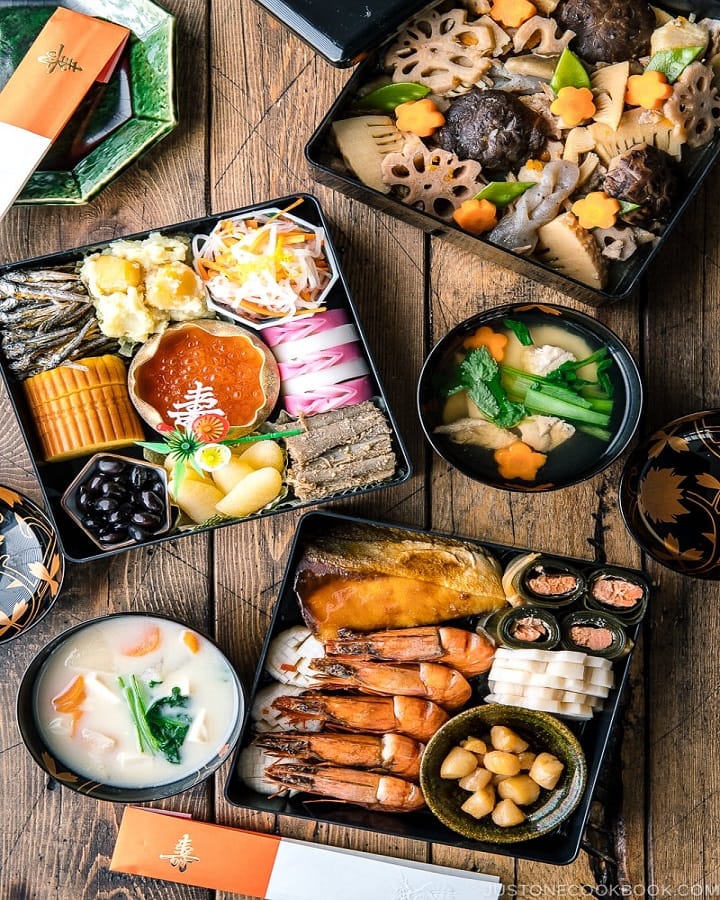
When the New Year arrives in Japan, families across the country celebrate with a feast unlike any other—Osechi Ryori, the traditional Japanese New Year food. This beautiful and symbolic cuisine is more than just a meal; it’s a centuries-old tradition that reflects gratitude, good fortune, and hopes for the year ahead. Carefully prepared and beautifully arranged in lacquered boxes called jubako, Osechi Ryori is one of Japan’s most cherished culinary customs.
Japanese New Year Food: The Tradition and Meaning of Osechi Ryori

What Is Osechi Ryori?
Osechi Ryori refers to a special set of dishes enjoyed during the first few days of January, typically from January 1st to January 3rd. Each item in Osechi Ryori has a symbolic meaning tied to prosperity, happiness, or health. The origins of this Japanese New Year food go back to the Heian period (794–1185), when New Year celebrations were held to honor the gods for a successful harvest. Over time, the custom evolved into preparing specific foods in advance so that families could rest and enjoy time together during the holiday without cooking.
Symbolism Behind Each Dish
Every component of Osechi Ryori carries a wish for the coming year. Here are some of the most common dishes and their meanings:
- Kuromame (black soybeans): Symbolizes hard work and good health. The word mame means “diligent,” so eating kuromame is believed to bring good fortune through hard work.
- Kazunoko (herring roe): Represents fertility and prosperity for future generations. The many tiny eggs symbolize the wish for many children.
- Tazukuri (candied sardines): A wish for an abundant harvest, as sardines were once used to fertilize rice fields.
- Kamaboko (fish cakes): The red and white colors of this dish symbolize good luck and purity—traditional colors for celebrations in Japan.
- Datemaki (sweet rolled omelet): Looks like scrolls, representing wisdom and learning.
- Kombu-maki (kelp rolls): The word kombu sounds like yorokobu, which means “joy.” These rolls express happiness for the New Year.
Each family or region may have its own version of Osechi Ryori, adding local specialties or family favorites to the traditional lineup.
Presentation and Preparation
Traditionally, Osechi Ryori is served in a multi-tiered lacquer box called jubako. Each tier holds different types of dishes arranged beautifully for both visual appeal and symbolic balance. The boxes are often filled and stacked before New Year’s Eve, allowing everyone to enjoy the holiday without the need for cooking.
Modern Osechi Ryori can be homemade or ordered from restaurants, department stores, or even convenience stores. Contemporary versions often blend traditional flavors with Western dishes, offering new twists on this ancient Japanese New Year food while keeping the spirit of celebration alive.
The Importance of Osechi Ryori in Japanese Culture
Beyond its delicious taste and beautiful presentation, Osechi Ryori carries deep cultural significance. It’s a time for families to gather, express gratitude, and welcome the New Year with hope. Sharing this meal is also a way to honor ancestors and the gods who protect the household.
Even today, preparing and enjoying Japanese New Year food brings generations together. It’s a reminder of Japan’s respect for tradition, attention to detail, and appreciation for seasonal harmony.
Japanese New Year Food Osechi Ryori is more than just a festive dish—it’s a celebration of life, family, and the future. Each bite tells a story of Japan’s history, culture, and hopes for the year ahead. Whether you enjoy it in a traditional jubako or try a modern variation, experiencing Osechi Ryori is a delicious way to welcome the Japanese New Year.
Frequently Asked Questions
What is Osechi Ryori?
Osechi Ryori is a traditional Japanese New Year food made up of beautifully arranged dishes, each symbolizing good luck, prosperity, and health.
Why do Japanese people eat Osechi Ryori during New Year?
Japanese people eat Osechi Ryori to celebrate the New Year, express gratitude, and wish for happiness and success in the coming year.
What are common dishes in Osechi Ryori?
Popular dishes include kuromame (black soybeans), kazunoko (herring roe), datemaki (sweet omelet), and kamaboko (fish cakes), each with symbolic meaning.