Image Credit -Hema
Kansotake is a rare and fascinating edible mushroom from Japan that is gaining popularity among food lovers and health-conscious people. Known for its crunchy texture and mild, earthy flavor, Kansotake is often used in traditional Japanese cooking. This mushroom grows naturally on dried bamboo and is valued not only for its taste but also for its nutritional benefits. Whether you are a mushroom enthusiast or someone exploring Asian cuisine, This is a unique ingredient worth knowing about.
Kansotake: A Unique Japanese Bamboo Shoot Mushroom You Must Try
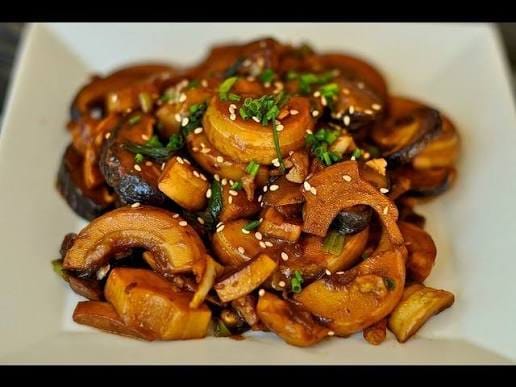
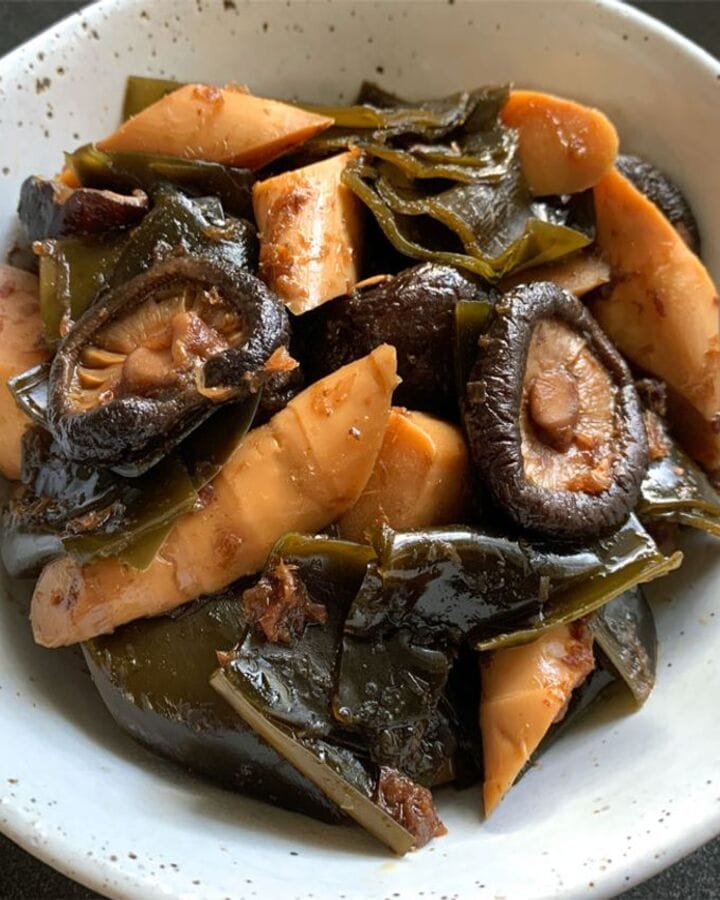
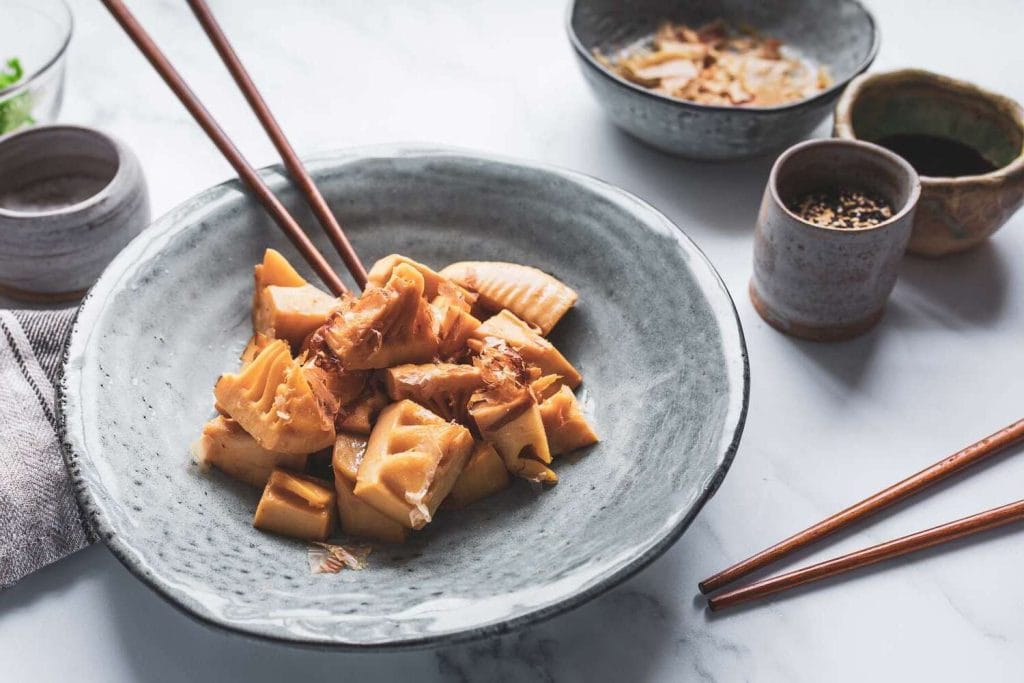
This is a type of edible mushroom that typically grows on dried bamboo stems. The name itself reflects its origin, as “kanso” refers to dryness and “take” means bamboo in Japanese. Unlike common mushrooms, Kansotake has a firm and slightly crunchy texture, making it perfect for stir-fries, soups, and side dishes. Its subtle flavor absorbs seasonings well, which is why it is often paired with soy sauce, sesame oil, and light spices.
Nutritional Value
It is low in calories and rich in essential nutrients. It contains dietary fiber that supports digestion and helps maintain gut health. This mushroom also provides important minerals such as potassium and iron, which are beneficial for maintaining energy levels and overall wellness. Like many mushrooms, It is a plant-based food that fits well into vegetarian and vegan diets.
Health Benefits
Regular consumption of Kansotake can offer several health benefits. Its fiber content helps promote healthy digestion and may support weight management. Kansotake also contains natural antioxidants that help protect the body from oxidative stress. In traditional food practices, it is often appreciated as a light and nourishing ingredient that supports a balanced diet.
How Is Used in Cooking
It is extremely versatile in the kitchen. It is commonly sliced and sautéed with vegetables or added to soups for extra texture. In Japanese cuisine, It is often seasoned simply to highlight its natural taste. It pairs well with tofu, leafy greens, and rice-based dishes. Because of its firm texture, it also works well in quick stir-fry recipes without becoming soggy.
As people become more interested in natural and traditional foods, Kansotake is gaining attention worldwide. Its unique growing process, clean taste, and health benefits make it appealing to modern diets. Food bloggers and chefs are also exploring it as an alternative mushroom for innovative recipes.
Kansotake is more than just a mushroom—it is a traditional ingredient with nutritional value, culinary versatility, and cultural significance. Whether you enjoy it in soups, stir-fries, or simple side dishes, Kansotake can add both texture and health benefits to your meals. If you are looking to explore something new and wholesome, Kansotake is a great choice. Let us know in the comments if you have tried this or how you like to cook it.
Frequently Asked Questions
What does Kansotake taste like?
Kansotake has a mild, earthy flavor with gentle bitterness and nutty undertones. When cooked, it develops a savory umami taste and a slightly chewy texture. It absorbs seasonings well, so its flavor becomes richer with garlic, soy sauce, or butter, making it enjoyable in soups, stir-fries, and herbal preparations. The aroma is pleasant and comforting, especially when lightly sautéed slowly.
Is Kansotake healthy to eat regularly?
Yes, Kansotake can be healthy when eaten regularly in moderate amounts. It is low in calories, rich in antioxidants, and supports immunity and digestion. Traditionally used in herbal remedies, it may help reduce inflammation. Always cook properly and consult a doctor if pregnant or on medication.
How is Kansotake commonly cooked?
This is often sautéed, added to soups, or used in stir-fries. Simple seasoning helps bring out its natural taste.